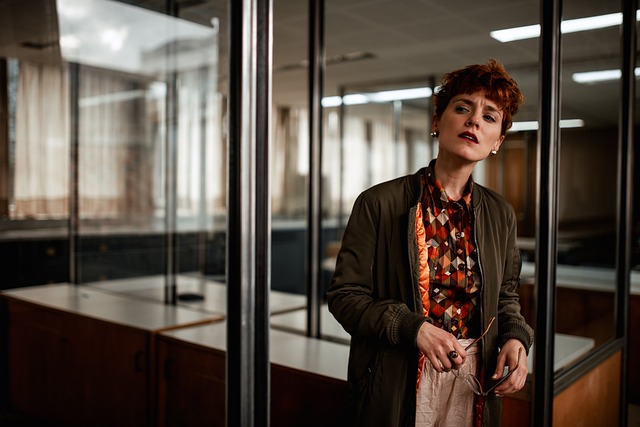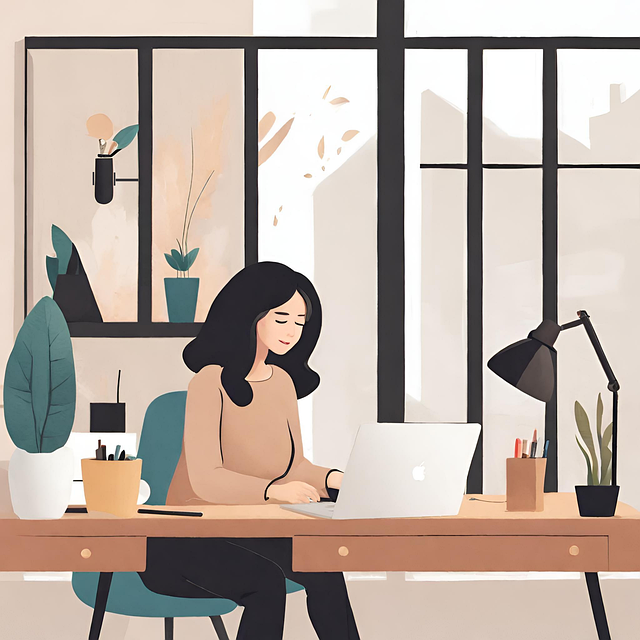
Modern work patterns drive suburban office renaissance, attracting developers and businesses with appealing blend of quiet environments, accessibility, and space. Reimagined to cater to contemporary needs, these areas offer spacious, tranquil settings with shorter commutes, prioritizing work-life balance. Shifting real estate preferences boost creativity and productivity, transforming traditional spaces into open, collaborative environments with modern amenities and eco-friendly designs.
Suburban offices are experiencing a long-awaited renaissance as shifting work trends fuel their revitalisation. In the wake of remote work becoming mainstream, businesses are reevaluating their real estate needs, discovering the appeal of suburban spaces that blend modern amenities with historical charm. This article explores these trends, delving into the factors driving the resurgence and strategies for redesigning suburban offices to cater to contemporary business demands.
Shifting Work Trends Fuel Suburban Office Revitalization

The dynamic shifts in modern work patterns have significantly contributed to the revitalized interest in suburban offices. In recent years, there’s been a notable move away from traditional urban settings, as remote work and flexible arrangements become more prevalent. This trend has led many professionals and companies to seek alternative locations, beyond the bustling metropolis. Suburban areas, once considered less desirable for commercial real estate, are now experiencing a renaissance.
The appeal lies in the balance suburban offices offer—a quieter, more peaceful environment compared to urban centers, coupled with easier accessibility and ample space. As a result, property developers and investors are showing renewed interest in these regions, anticipating the potential for growth and diverse business opportunities. This shift in preference promises to transform the real estate landscape, giving rise to modern suburban office spaces tailored to meet contemporary work needs.
The Appeal of Suburban Offices: Modern Needs, Historical Charm
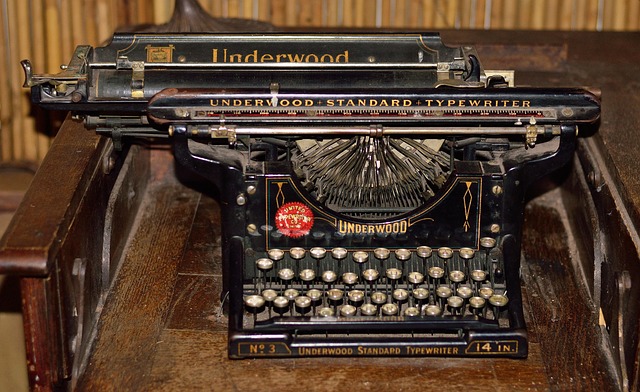
Suburban offices are increasingly becoming a hotspot for businesses, as they offer a unique blend of modern needs and historical charm that urban centers often lack. The appeal lies in the balance between accessibility and tranquility; professionals can enjoy shorter commutes while working in a peaceful environment, away from the hustle and bustle of city centers. This shift is partly driven by changes in real estate preferences, with many seeking more spacious, natural settings for their daily routines.
Historically, suburbs were designed to provide a sense of community and seclusion, which resonates with contemporary workers who prioritize work-life balance. The charm of these areas, often characterized by tree-lined streets and established neighborhoods, adds a timeless appeal that complements the modern design and amenities sought after in office spaces. This combination of traditional aesthetics and modern conveniences makes suburban offices an attractive option for companies looking to foster creativity and productivity among their workforce.
Redesigning Spaces: Adapting Suburban Offices for Contemporary Business

In the current business landscape, suburban offices are undergoing a significant transformation to cater to modern needs. The traditional cubicle setup is being reimagined, giving way to more open and collaborative spaces that encourage interaction and innovation. This shift is driven by evolving workplace trends and the realization that flexible, well-designed environments significantly impact employee productivity and retention. Real estate professionals are now collaborating with architects and interior designers to create vibrant, modern offices that seamlessly blend work and leisure, appealing to a new generation of employees.
Redesigning suburban office spaces involves strategic planning and an understanding of contemporary business requirements. Open-concept layouts, natural lighting, and eco-friendly materials are becoming staples in these revitalized workspaces. Additionally, the integration of technology is essential, with smart offices featuring advanced communication systems, digital collaboration tools, and automated systems to enhance efficiency. These adaptations ensure that suburban offices remain competitive and attractive options for businesses seeking a unique alternative to urban centers while providing an improved work environment for employees.