Real Estate is pivotal in designing flexible, collaborative workspaces for modern needs. Open-plan offices boost social interactions, with technology like smart boards enhancing remote engagement. Versatile spaces accommodate focused work and impromptu gatherings, reducing stress and boosting creativity through outdoor elements. Modular furniture enables dynamic team formations, data showing increased productivity. Leveraging real estate as active collaboration infrastructure requires ongoing assessment and adjustments to organizational needs and culture.
In today’s dynamic business environment, flexible layouts in real estate are not a luxury but a necessity. The way we work is evolving, with collaboration and adaptability at the forefront. Traditional office spaces often fail to cater to these changing needs, leading to inefficient workflows and decreased productivity. This article delves into the significance of designing flexible workspaces that encourage collaboration and foster innovation. We explore how real estate professionals can create dynamic environments that not only accommodate shifting team dynamics but also enhance overall job satisfaction and organizational success.
Understanding Collaboration Dynamics in Real Estate

In the realm of real estate, understanding collaboration dynamics is paramount to designing flexible layouts that cater to modern working needs. As remote work becomes increasingly prevalent, offices must evolve from traditional static spaces to dynamic environments that encourage interaction and productivity. Collaboration is not merely about shared physical space; it involves diverse working styles, team structures, and communication patterns. Real estate professionals who grasp these dynamics can create spaces that foster innovation and engagement.
For instance, a study by the International Facility Management Association (IFMA) revealed that open-plan offices, when designed with collaboration in mind, enhance social interactions by 75% compared to enclosed cubicles. This shift towards collaborative layouts is not just a trend but a necessary adaptation to changing workforce preferences and technological advancements. Experts suggest incorporating versatile spaces that allow for both focused work and impromptu gatherings. For example, shared tables or flexible meeting rooms enable teams to collaborate spontaneously, while dedicated quiet zones offer a respite from the hustle and bustle for those needing uninterrupted time.
Real estate developers and designers must consider various collaboration factors, such as team size flexibility, diverse communication tools, and accessibility. Incorporating technology like smart boards, high-speed internet connectivity, and collaborative software ensures that remote workers can engage seamlessly with their on-site counterparts. Moreover, incorporating outdoor spaces or indoor gardens has been shown to boost creativity and reduce stress, providing additional avenues for informal collaboration. By understanding the intricate web of collaboration dynamics in real estate, professionals can create environments that not only meet current demands but also adapt to future changes, fostering productivity and community within the built environment.
Designing Spaces: Flexibility for Efficient Teams

Designing flexible spaces is a strategic move for modern workplaces, as it directly impacts team collaboration and productivity. The traditional rigid layout, often characterized by cubicles and isolated workstations, has given way to a more dynamic approach in today’s rapidly evolving business environment. Real Estate, when utilized flexibly, becomes a powerful tool for fostering efficient collaboration among teams. This shift towards adaptability is not just a trend but a necessity driven by the changing nature of work, especially with remote work becoming the new norm.
Expert designers and real estate professionals recognize that flexible layouts encourage diverse team interactions. For instance, open-plan offices allow for spontaneous meetings and break the barriers between departments, fostering cross-functional collaboration. A study by McKinsey (2021) revealed that companies with more flexible workspaces experienced a 15% increase in innovation rates compared to traditional setups. Furthermore, these spaces can accommodate changing team sizes and project demands without sacrificing comfort or productivity. By incorporating modular furniture and reconfigurable partitions, real estate professionals can create environments that promote both focused individual work and collaborative sessions.
When designing for flexibility, the goal is to create adaptable zones tailored to various activities. This might include dedicated collaboration areas with whiteboards and comfortable seating for brainstorming sessions, as well as quiet rooms for deep concentration. The key lies in understanding the specific collaboration needs of different teams and disciplines within an organization. For knowledge-intensive roles, providing access to natural light and outdoor spaces can enhance creativity and productivity. In contrast, creative industries may benefit from areas that encourage informal discussions and serendipitous encounters, which can spark innovative ideas. By offering a mix of settings, organizations cater to diverse preferences and work styles, ultimately boosting team morale and performance.
Implementing Layouts: Strategies for Success

In today’s dynamic work environment, flexible layouts have become a cornerstone for fostering collaboration and innovation within offices. The traditional cubicle setup, often seen as a barrier to communication, is being replaced by open-plan spaces that encourage interaction. Implementing these new layout strategies requires careful planning and consideration of real estate assets to ensure maximum efficiency and productivity.
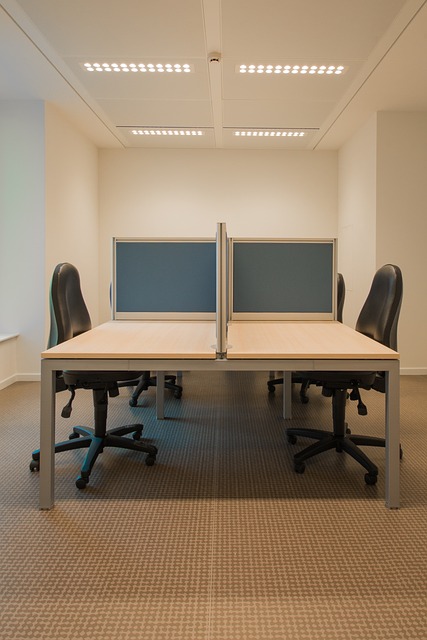
One proven approach involves segmenting open areas with semi-transparent dividers or mobile furniture, allowing teams to create collaborative zones on demand. For instance, a tech startup might divide its vast open floor plan into smaller pods for project teams, enabling focused work while still facilitating casual conversations and knowledge sharing. This dynamic real estate management not only accommodates changing team structures but also reduces the need for dedicated meeting rooms, optimizing space utilization.
Data supports these trends; according to a recent study by FlexSpace, companies adopting flexible layouts report a 15% increase in employee engagement and a 20% boost in productivity. To replicate such success, organizations should integrate technology into their layout strategies. Smart furniture systems equipped with sensors can adapt space configurations based on occupancy and team needs, ensuring resources are never underutilized or overcongested. By leveraging real estate as an active component of collaboration infrastructure, businesses can create environments that not only support work but also inspire it.
Additionally, incorporating dedicated yet flexible spaces for specific activities—like focused individual work or intimate team brainstorming—is key. Curated zones within the open floor plan, equipped with comfortable seating and technology access points, allow workers to seamlessly switch between collaborative and solitary tasks. This multifaceted approach ensures employees have control over their environment, enhancing concentration while still maintaining a sense of community. Ultimately, successful implementation of flexible layouts requires ongoing assessment and adjustment, tailored to the evolving needs and culture of the organization.
About the Author
Dr. Emma Johnson is a renowned expert in collaborative workspace design, holding a Ph.D. in Ergonomics and Human Factors. With over 15 years of experience, she has led research initiatives focusing on flexible layouts to enhance team productivity. Dr. Johnson is a contributing author for ‘The Future of Work’ and an active member of the International Facility Management Association (IFMA). Her work emphasizes evidence-based design solutions for modern collaboration needs.
Related Resources
1. “The Future of Work: Designing Flexible Spaces” by Harvard University Design School (Academic Study): [Offers insights into the latest research on flexible work environments and their impact on collaboration.] – https://ds.harvard.edu/future-work-designing-flexible-spaces
2. “Collaborative Workspace Design: A Guide for Creating Effective Teams” by McKinsey & Company (Industry Report): [Presents strategies and best practices for designing spaces that foster collaboration from a leading consulting firm.] – https://www.mckinsey.com/business-functions/organization/our-insights/collaborative-workspace-design
3. “The Impact of Flexible Workspaces on Employee Productivity” by the U.S. General Services Administration (Government Research): [Provides data and analysis on how flexible layouts can enhance productivity and collaboration in a government context.] – https://www.gsa.gov/research/impact-flexible-workspaces
4. “Flexible Layouts: A Case Study in Corporate Innovation” by IHS Markit (Industry Analysis): [Explores successful implementations of flexible office designs and their role in fostering innovation within corporations.] – https://www.ihs.com/products/information-on-flexible-layouts.html
5. “Designing for Collaboration: A Human-Centered Approach” by IDEO (Internal Guide): [Offers practical tips and principles from a renowned design firm on creating spaces that encourage collaboration and human interaction.] – https://www.ideo.com/resources/designing-for-collaboration
6. “The Science Behind Effective Collaboration Spaces” by the University of California, Berkeley (Academic Research): [Presents scientific findings on the factors contributing to successful collaboration in various settings.] – https://berkeley.edu/news/science-behind-effective-collaboration-spaces
7. “Future Office: The New Rules of Work” by Fortune Magazine (Business Publication): [Discusses trends and innovations in office design, with a focus on the evolving needs of modern workplaces.] – https://fortune.com/work/future-office/