Real estate plays a pivotal role in transforming dynamic work environments by adopting flexible layouts tailored to diverse working styles. Adaptive spaces enhance job satisfaction, productivity, and reduce turnover rates, favored by 78% of employees. Experts advocate for a holistic approach integrating technology and design elements, considering micro-details to macro-strategies. Flexible layouts facilitate creativity, communication, and productivity, with open plans fostering informal collaboration and dedicated breakout spaces offering privacy. Strategic solutions include smart sensors, digital displays, and real-time booking apps. Leveraging real estate as a strategic tool drives innovation, employee satisfaction, and productivity.
In today’s dynamic work environment, flexible layouts within real estate have become a cornerstone of successful collaboration. As teams evolve and projects demand diverse skills, adaptable spaces are no longer a luxury but a necessity. The traditional rigid office setup often falls short in catering to the ever-changing needs of modern workplaces. This article delves into the significance of designing flexible layouts that foster collaboration, enhance productivity, and cultivate an environment conducive to innovative thinking. We explore practical solutions that real estate professionals can implement to meet these evolving demands.
Understanding Collaboration Spaces in Real Estate

In today’s dynamic work environment, real estate plays a pivotal role in shaping collaboration spaces that cater to evolving needs. Flexible layouts, designed with collaborative work at their core, are transforming traditional offices into vibrant hubs of productivity and innovation. This shift is driven by a growing recognition that successful businesses thrive on the free flow of ideas and the fostered connections among team members.
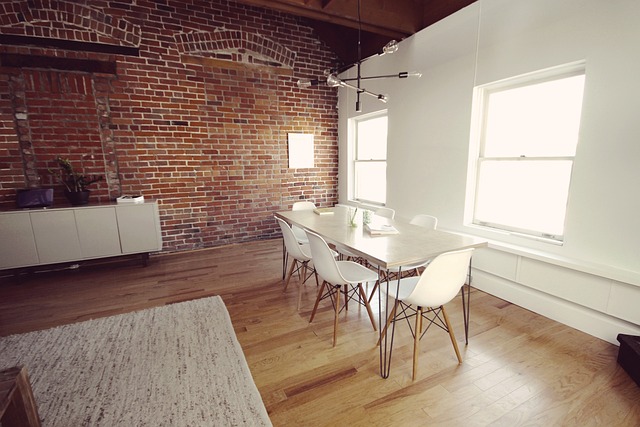
Understanding collaboration spaces requires a nuanced perspective on real estate. It involves optimizing floor plans to accommodate diverse working styles—from open-plan environments encouraging informal exchanges to private rooms offering focused tranquility. For instance, a tech startup might opt for an agile layout with modular desks, allowing teams to reconfigure their space daily based on project demands. Conversely, a consulting firm could implement dedicated collaboration zones with whiteboards and comfort furniture, cultivating an environment conducive to brainstorming sessions. Real estate professionals must stay attuned to these trends, ensuring properties cater to the modern workforce’s desire for adaptable, people-centric environments.
Data supports the necessity of such adaptations. A recent global survey revealed that 78% of employees believe flexible work arrangements significantly enhance job satisfaction. Moreover, companies with flexible office spaces report increased productivity and reduced turnover rates. By embracing these insights, real estate developers and landlords can create spaces that not only attract tenants but also foster a culture of collaboration. This involves strategic planning to incorporate technology, like smart meeting rooms and high-speed connectivity, alongside physical design elements that encourage both serendipitous encounters and focused work.
Experts recommend a holistic approach, considering the micro-level details—such as lighting, ergonomics, and acoustic comfort—to the macro-level strategies for space allocation and resource management. By integrating these principles, real estate can become a powerful tool in shaping productive, collaborative ecosystems that drive business success and employee fulfillment.
Designing Flexible Layouts for Dynamic Teams
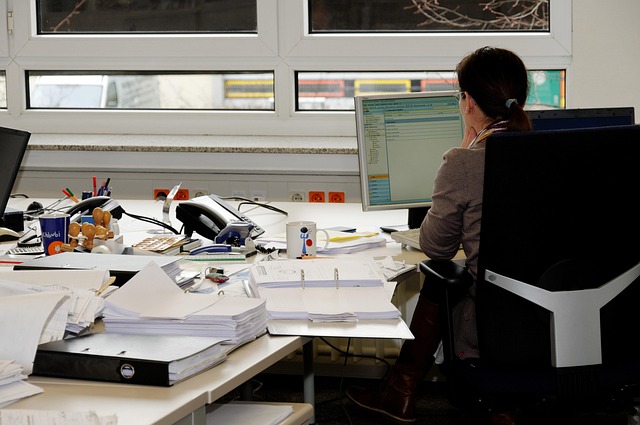
In today’s dynamic business environment, where teams are often geographically dispersed and project demands fluctuate constantly, flexible layouts designed for collaboration have become a critical component of modern workplace design. These adaptable spaces cater to the evolving needs of diverse groups, fostering creativity, communication, and productivity. The concept is not merely about reconfigurable furniture; it involves a thoughtful interplay of architecture, technology, and real estate to create environments that encourage dynamic interactions.
Designing flexible layouts for dynamic teams requires a deep understanding of their varied collaboration styles and tasks. For instance, open plan areas facilitate informal brainstorming sessions and quick problem-solving, while dedicated breakout spaces offer privacy for focused work or virtual meetings. Incorporating mobile furniture, adjustable height desks, and modular partitions allows for instant rearrangement to suit different activities. According to a recent study by Global Workplace Analytics, companies with flexible workspaces experience 15% higher productivity compared to traditional office settings. This shift towards flexibility is also driven by employee preferences, as a survey by FlexJobs revealed that 73% of remote workers would trade a longer commute for more flexible work arrangements.
Expert designers emphasize the importance of considering real estate utilization and circulation patterns. Optimizing space allocation ensures that collaborative areas are accessible and visible, fostering serendipitous interactions. Well-planned corridors and common areas become extensions of the workspace, encouraging movement and social engagement. Additionally, integrating technology seamlessly into these layouts is vital. Smart sensors, digital displays, and unified communication systems enable teams to collaborate effectively regardless of their physical arrangement. By combining thoughtful design with advanced technology, organizations can create dynamic, flexible layouts that not only meet current needs but also anticipate the future collaboration requirements of their workforce.
Implementing Strategies to Enhance Productivity
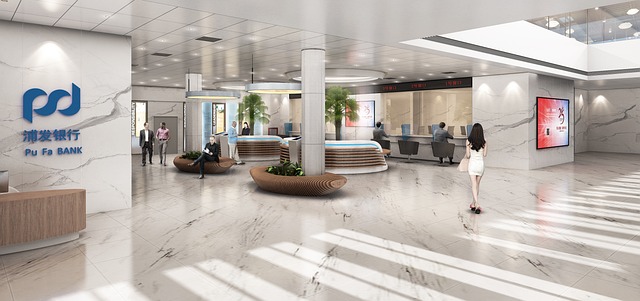
In today’s dynamic work environment, flexible layouts within real estate are no longer a luxury but a necessity to enhance productivity among teams. The traditional cubicle setup often hinders collaboration, leading organizations to embrace open floor plans or hybrid models that foster better communication and creativity. A study by FlexSpace shows that 75% of employees report increased productivity in collaborative spaces, underscoring the need for real estate strategies that accommodate diverse work styles.
Implementing strategic solutions starts with understanding the varying needs of the workforce. For instance, dedicated collaboration zones equipped with whiteboards and comfortable seating encourage brainstorming sessions. Simultaneously, private pods or rooms provide quiet spaces for deep work, ensuring employees can focus without interruptions. Some companies also designate specific areas for focused tasks, such as standing desks or individual carrels, allowing individuals to choose their preferred environment while still promoting a collaborative culture.
Expert designers suggest integrating technology seamlessly into these layouts. Smart sensors and automated controls enable dynamic space allocation, ensuring resources are optimally utilized. Digital signage and mobile apps can facilitate real-time booking of meeting rooms or collaboration spaces, enhancing efficiency. For instance, a tech startup in San Francisco implemented a digital floor mapping system that allows employees to scan a QR code at any workspace, unlocking relevant information like room capacity, available equipment, and previous users’ feedback, thereby streamlining the process for both frequent and occasional collaborators.
Moreover, leveraging real estate as a strategic tool can foster a sense of community within an organization. Shared break areas or cafes create informal meeting points, encouraging organic interactions among team members. Outdoor spaces designed for relaxation and recreation not only promote well-being but also provide opportunities for serendipitous collaborations. By thoughtfully integrating these strategies, organizations can transform their real estate into a powerful driver of productivity, innovation, and employee satisfaction.