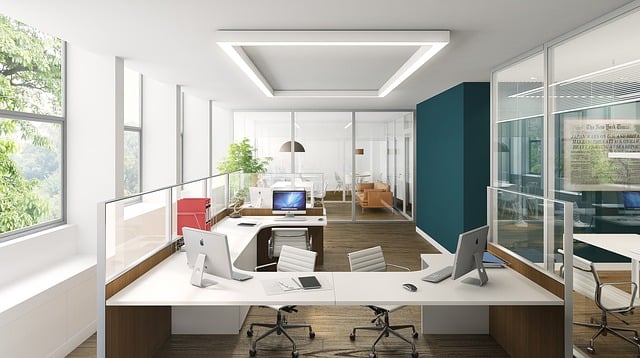
Real estate professionals must adapt to evolving market trends driven by remote work and technological advancements. A decline in traditional office space demand prompts flexible leasing options and mixed-use developments, reshaping urban landscapes. Businesses move towards agile, tech-enabled spaces, potentially decreasing commercial property demand in urban centers, with prime areas experiencing transformations.
Remote work has dramatically reshaped how we live and work, with profound implications for commercial real estate demand. This article explores the evolving landscape of urban spaces, delving into how remote work is redefining our cities and driving significant shifts in commercial property trends. We’ll analyze the changing demands for offices and consider a new normal where flexibility and location independence are paramount. By examining these trends, we gain insights into the future of work and its lasting impact on real estate markets.
How Remote Work Is Redefining Urban Spaces

The Shift in Commercial Real Estate Trends

The rise of remote work has brought about a significant shift in commercial real estate trends. With many employees now capable of working from home, there’s a reduced demand for traditional office spaces. This trend is leading to notable changes in the market, such as a decrease in lease rates and an increase in flexible leasing options. Real estate investors and developers are adapting by rethinking their strategies, focusing on creating more diverse and adaptable properties that cater to a mix of residential and commercial needs.
This new dynamic presents an opportunity for cities to reimagine their urban landscapes. Instead of towering office buildings, there’s a growing emphasis on mixed-use developments that blend residential apartments, retail spaces, and co-working areas. Such transformations not only cater to the evolving work patterns but also enhance the overall quality of life for residents by providing convenient access to amenities and services within walking distance.
Rethinking Office Demand: A New Normal

The shift to remote work has prompted a significant rethinking of office demand and the traditional concept of real estate. As businesses adapt to a new normal, the need for expansive, dedicated workspaces is evolving. Many companies are now embracing flexible arrangements, allowing employees to work from home or shared co-working spaces. This change in preference could lead to a decrease in demand for commercial properties, particularly in prime urban locations.
Real estate markets might experience a transformation as organizations reevaluate their office requirements. Smaller, more agile spaces that accommodate modern collaboration and communication technologies may become the new standard. This shift has the potential to impact not only the type of properties sought after but also the areas where businesses choose to establish their presence, reshaping urban landscapes and commercial hubs.