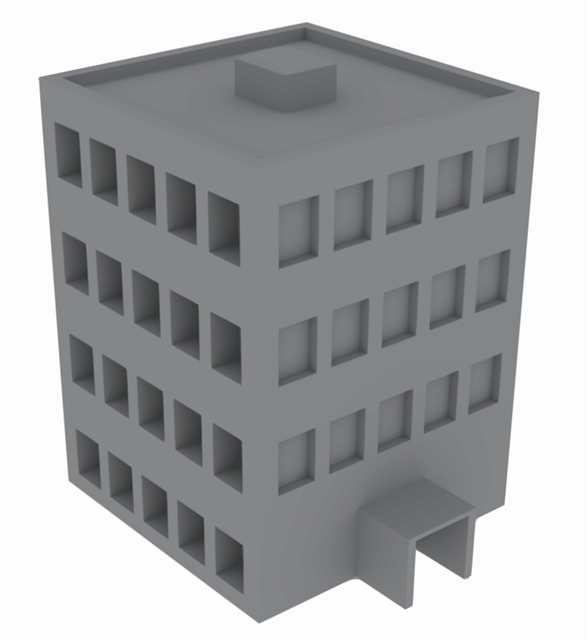
Real estate professionals need to understand modern collaboration spaces to stay competitive. Flexible layouts, including open-plan offices and strategic zones, enhance interaction, creativity, and productivity. Modular furniture enables dynamic space reconfiguration. Shared workspaces attract freelancers, startups, and remote teams, fostering innovation, talent attraction, and urban environment thriving. Case studies show that these adaptable environments boost employee productivity and satisfaction, driving organizational growth and cultural evolution.
In today’s dynamic work environment, flexible layouts are transforming real estate. This article explores modern collaboration spaces, delving into design strategies that cater to evolving team dynamics. We examine case studies showcasing successful implementations, highlighting their impact on productivity and innovation. Understanding these trends is vital for real estate professionals aiming to create environments that foster both efficiency and collaboration.
Understanding Modern Collaboration Spaces in Real Estate

In today’s dynamic business landscape, understanding modern collaboration spaces is paramount for real estate professionals. The traditional office setting has evolved to accommodate diverse work styles and team dynamics, moving beyond rigid cubicles and individual desks. Flexible layouts that encourage interaction, creativity, and productivity are becoming the norm in real estate investments. These spaces are designed to foster spontaneous brainstorming sessions, facilitate cross-functional team projects, and support remote workers seamlessly.
Real estate developers and landlords are recognizing the value of creating collaborative hubs that cater to various needs. Open-plan offices with strategic zones for focused work, casual gatherings, and presentations are gaining popularity. Additionally, shared workspaces and co-working spaces offer flexible terms and a vibrant community feel, catering to freelancers, startups, and remote teams. By embracing these modern collaboration spaces, real estate can drive innovation, attract top talent, and contribute to thriving urban environments.
Design Strategies for Flexible Layouts
In the realm of real estate, designing flexible layouts is a game-changer for fostering collaboration and enhancing productivity among tenants. These spaces are meticulously crafted to adapt to various team sizes and work styles, ensuring every member feels at home. One effective strategy involves incorporating modular furniture, allowing for easy reconfiguration based on evolving needs. For instance, adjustable height tables and mobile storage units enable dynamic arrangements, catering to both intimate brainstorming sessions and large-scale gatherings.
Additionally, integrating open-plan areas with secluded zones creates a balanced environment. Strategically placed partitions or moveable screens define dedicated collaboration spaces while still maintaining a sense of openness and connection. This blend of shared and private spaces mirrors the natural ebb and flow of collaborative work, making it an ideal setup for modern workplaces.
Case Studies: Successful Implementation and Impact
In the realm of modern Real Estate, flexible layouts that cater to collaboration needs have emerged as a game-changer. Case studies from leading commercial spaces showcase the profound impact of such designs. For instance, office buildings that incorporate open-plan areas with designated collaboration zones have witnessed a significant boost in employee productivity and satisfaction. These spaces encourage informal interactions, fostering innovation and creativity among teams.
Moreover, flexible layouts allow for dynamic utilization, catering to diverse collaboration scenarios. Whether it’s brainstorming sessions, project teams, or casual catch-ups, these adaptable environments respond to evolving workplace demands. The success stories from various industries highlight that by prioritizing collaboration, Real Estate can transform into a catalyst for organizational growth and cultural evolution.