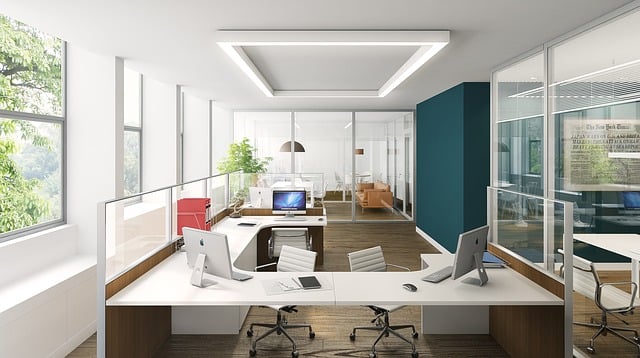
Real Estate is transforming dynamic work environments through flexible collaboration spaces designed to enhance communication, creativity, and productivity. Modular designs, tech integrations, and thoughtfully curated environments cater to diverse team needs, boosting innovation, employee satisfaction, and morale. Strategies include adaptable furniture systems, semi-enclosed areas, and dedicated co-working zones, leveraging smart technology and community-building elements to attract and retain talent. Data shows flexible office spaces can increase productivity by 15-20%.
In today’s dynamic work environment, flexible layouts in real estate have become a cornerstone for fostering collaboration and productivity among teams. The traditional, rigid office setup no longer meets the evolving needs of modern organizations, where remote work, diverse talent pools, and agile methodologies are the norm. This shift demands adaptable spaces that can accommodate changing team dynamics, encourage interaction, and promote innovative thinking. By exploring cutting-edge design principles and leveraging advanced technologies, this article delves into how real estate professionals are transforming workplaces to meet these challenges, ensuring optimal collaboration and contributing to organizational success.
Understanding Modern Collaboration Spaces in Real Estate

In today’s dynamic work environment, flexible layouts designed to facilitate collaboration are transforming real estate landscapes. Modern collaboration spaces aren’t just open offices; they’re thoughtfully curated environments tailored to enhance communication, creativity, and productivity among diverse teams. Real estate developers and designers are recognizing that traditional layouts often hinder interaction, leading to a surge in demand for spaces that encourage serendipitous encounters and knowledge exchange. Studies show that companies adopting flexible collaboration areas enjoy improved employee satisfaction and higher rates of innovation.
The evolution of collaboration spaces reflects a deeper understanding of how people work together. Open plan offices, while popular, can create a sense of isolation and noise pollution. In contrast, modular designs allow for adaptable rooms, quiet pods, and dedicated collaboration zones, catering to various team preferences and tasks. For instance, tech giants like Google and Facebook have pioneered the concept of “nests” – intimate spaces designed for focused work – alongside larger meeting areas. This hybrid approach maximizes productivity by offering both peace and opportunities for collective brainstorming.
Real estate plays a pivotal role in fostering effective collaboration. Location, accessibility, and amenity are key factors. Properties with dedicated co-working areas or flexible lease options are gaining traction among startups and established enterprises alike. Data from CBRE indicates that demand for flexible workspace solutions is on the rise, with 78% of global real estate executives expecting this trend to continue. To stay competitive, developers must embrace innovative design principles, integrate smart technology, and prioritize community-building elements. By creating spaces that cater to collaboration needs, they can attract and retain a diverse talent pool, fostering an ecosystem where ideas flourish and connections thrive.
Designing Flexible Layouts to Enhance Teamwork

In today’s dynamic work environment, where remote work and diverse team configurations are becoming the norm, flexible layouts in real estate have emerged as a powerful tool to foster collaboration. The traditional rigid office setup often falls short in accommodating the evolving needs of modern teams, which is why designers and architects are increasingly focusing on creating adaptable spaces. These flexible layouts not only cater to various teamwork scenarios but also enhance productivity and employee satisfaction.
Designing for flexibility involves thoughtful planning and a holistic approach. It entails rethinking walls, desks, and meeting areas to create modular environments. For instance, incorporating adjustable height tables and mobile partitions allows teams to reconfigure spaces swiftly, catering to both intimate brainstorming sessions and large-scale projects. This adaptability is especially crucial during rapid project cycles where team dynamics might change overnight. Moreover, integrating collaborative tools like interactive whiteboards or digital display systems into these layouts facilitates seamless information sharing and idea generation.
Practical insights from industry experts suggest that flexible layouts can significantly impact team performance positively. A study by McKinsey & Company revealed that companies adopting flexible work environments experienced a 13% increase in innovation compared to their counterparts with conventional setups. This shift towards adaptability enables organizations to attract and retain talent, as employees appreciate the flexibility offered. For instance, a tech startup known for its open-plan, fully customizable office has reported higher employee retention rates and improved overall morale. By designing real estate spaces that evolve with the team’s needs, organizations can create an environment that not only supports collaboration but also fosters a sense of ownership and community.
Implementing Strategies for Optimal Space Utilization

In today’s dynamic work environment, flexible layouts that accommodate collaboration are essential for any organization aiming to maximize productivity and innovation. Real Estate plays a pivotal role in facilitating these collaborative spaces, offering more than just physical structures; it’s about creating environments that inspire, support, and nurture diverse teamwork. Strategies for optimal space utilization involve thoughtful planning, adaptable design elements, and a deep understanding of how people interact within the built environment.
One proven approach is to implement modular furniture systems that allow for easy reconfiguration. This flexibility enables teams to quickly adapt spaces according to project needs, whether it’s hosting impromptu brainstorming sessions or setting up dedicated focus areas. For instance, a tech startup might utilize adjustable height tables and mobile partitions to create an ever-changing landscape, fostering spontaneous idea generation among cross-functional groups. Data supports the effectiveness of such designs; studies show that companies with flexible office spaces experience 15-20% higher productivity levels due to improved collaboration and employee satisfaction.
Additionally, incorporating semi-enclosed areas within open concepts can provide a balance between privacy and transparency. Private pods or small meeting rooms offer focused work environments while still allowing for visual connection to the larger team. This design strategy not only accommodates various collaboration styles but also addresses concerns about noise levels and visual distractions, common challenges in open-plan offices. As an example, a marketing agency might install soundproofed booths within their expansive collaborative space, enabling creative teams to immerse themselves in projects while remaining part of the overall buzz. By thoughtfully integrating these strategies, real estate becomes a powerful tool for cultivating dynamic, productive, and interconnected work environments.